SCIENCE
APOE2 may protect the brain from Alzheimer’s and aging
ScienceDailyFriday, July 24, 2026 at 6:00 AM
RedScroll Brief
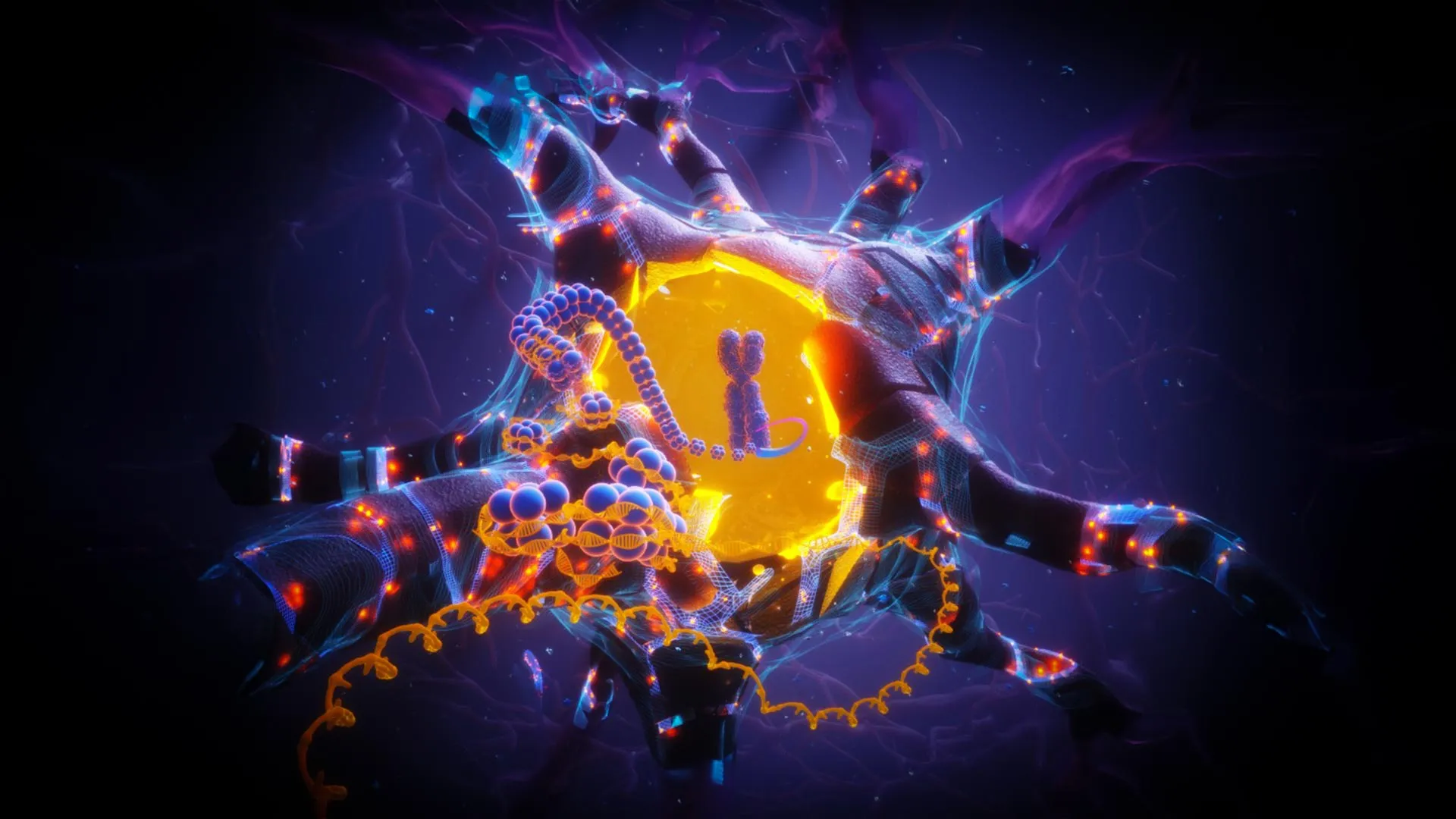
The longevity-linked APOE2 gene appears to protect brain cells by reducing DNA damage and helping neurons recover from stress. The finding could open a new path toward treatments that mimic APOE2’s defenses in people at higher genetic risk for Alzheimer’s.
RedScroll Signal
- Impact
- High
- Category
- Science
- Market relevance
- None
- Why it matters
- Scientific signal separates durable discovery from noise — and often foreshadows policy and product. The longevity-linked APOE2 gene appears to protect brain cells by reducing DNA damage and helping neurons recover from stress. The finding could open a new path toward treatments that mimic APOE2’s defenses in people at higher genetic risk for Alzheimer’s.
Desk copy
RedScroll Briefing
Extractive editorial brief — not a reprint of the original
What happened
The longevity-linked APOE2 gene appears to protect brain cells by reducing DNA damage and helping neurons recover from stress. The finding could open a new path toward treatments that mimic APOE2’s defenses in people at higher genetic risk for Alzheimer’s.
Why it matters
Scientific signal separates durable discovery from noise — and often foreshadows policy and product.
Background
ScienceDaily reported on this under science. RedScroll surfaces the signal with an extractive brief — not a reprint of the original article. Read the source for full reporting.
Timeline
ScienceDaily published: APOE2 may protect the brain from Alzheimer’s and aging
Story is in today’s RedScroll edition. Follow the original source for updates.
More on
Brain
Related stories
- NASA’s Perseverance Offers Clues to Protect Crews From Mars Dust
NASASCIENCE
- New 3D thermal invisibility cloak makes objects disappear from infrared cameras
ScienceDailySCIENCE
- Tiny magnetic vortices could help computers work more like your brain
ScienceDailySCIENCE
- Scientists discover a compound that could supercharge aging muscle repair
ScienceDailySCIENCE
- AI-hallucinated citations should be treated as research misconduct
NatureSCIENCE
- AI watermarking efforts must encourage independent public scrutiny
NatureSCIENCE
Source
ScienceDaily
Original reporting by ScienceDaily. RedScroll provides an extractive briefing only.