SCIENCE
Common forever chemicals linked to nearly double the rate of aggressive breast cancer
ScienceDailyThursday, November 12, 2026 at 9:34 AM
RedScroll Brief
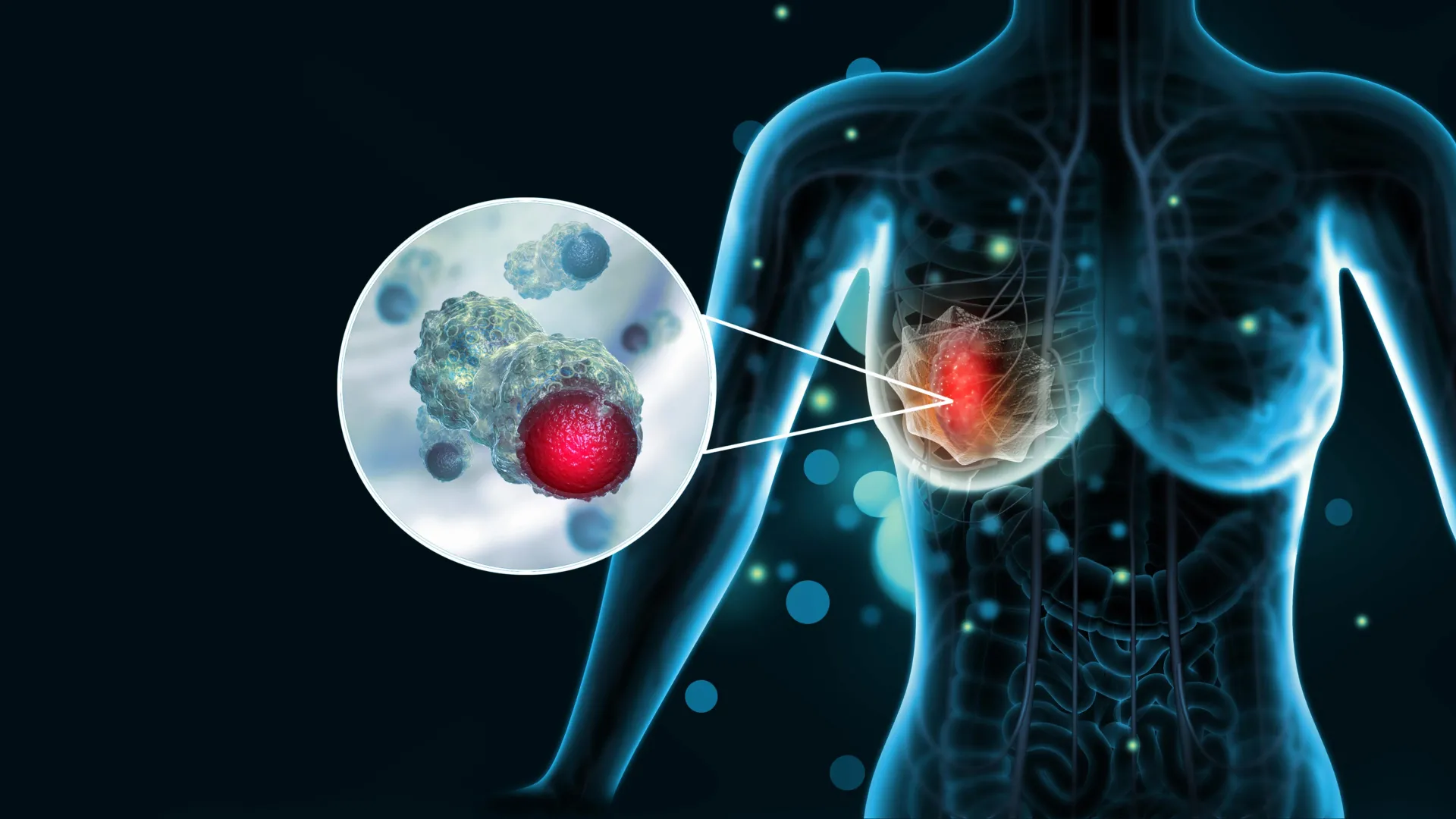
An NIH study found that women with high levels of two common “forever chemicals” had up to 93% higher rates of an aggressive form of breast cancer. The discovery raises concerns about the potential health effects of persistent chemicals found in everyday products.
RedScroll Signal
- Impact
- High
- Category
- Science
- Market relevance
- None
- Why it matters
- Scientific signal separates durable discovery from noise — and often foreshadows policy and product. An NIH study found that women with high levels of two common “forever chemicals” had up to 93% higher rates of an aggressive form of breast cancer. The discovery raises concerns about the potential health effects of persistent chemicals found in everyday products.
Desk copy
RedScroll Briefing
Extractive editorial brief — not a reprint of the original
What happened
An NIH study found that women with high levels of two common “forever chemicals” had up to 93% higher rates of an aggressive form of breast cancer. The discovery raises concerns about the potential health effects of persistent chemicals found in everyday products.
Why it matters
Scientific signal separates durable discovery from noise — and often foreshadows policy and product.
Background
ScienceDaily reported on this under science. RedScroll surfaces the signal with an extractive brief — not a reprint of the original article. Read the source for full reporting.
Timeline
ScienceDaily published: Common forever chemicals linked to nearly double the rate of aggressive breast cancer
Story is in today’s RedScroll edition. Follow the original source for updates.
More on
Related stories
- Scientists discover a common sugar may help cancer cells break free and spread
ScienceDailySCIENCE
- Author Correction: SLAMF6 as a drug-targetable suppressor of T cell immunity against cancer
NatureSCIENCE
- This simple habit is linked to a 33% lower risk of Alzheimer's
ScienceDailySCIENCE
- Why hydrogen flames can glow orange, then turn nearly invisible
ScienceDailySCIENCE
- Briefing Chat: Voyager 1 is now one ‘light day’ from Earth — setting a cosmic record
NatureSCIENCE
- Fraud helps little fire ants to survive and conquer
NatureSCIENCE
Source
ScienceDaily
Original reporting by ScienceDaily. RedScroll provides an extractive briefing only.