SCIENCE
Hurricane warning maps are improving, but a dangerous problem remains
ScienceDailyTuesday, October 20, 2026 at 12:49 PM
RedScroll Brief
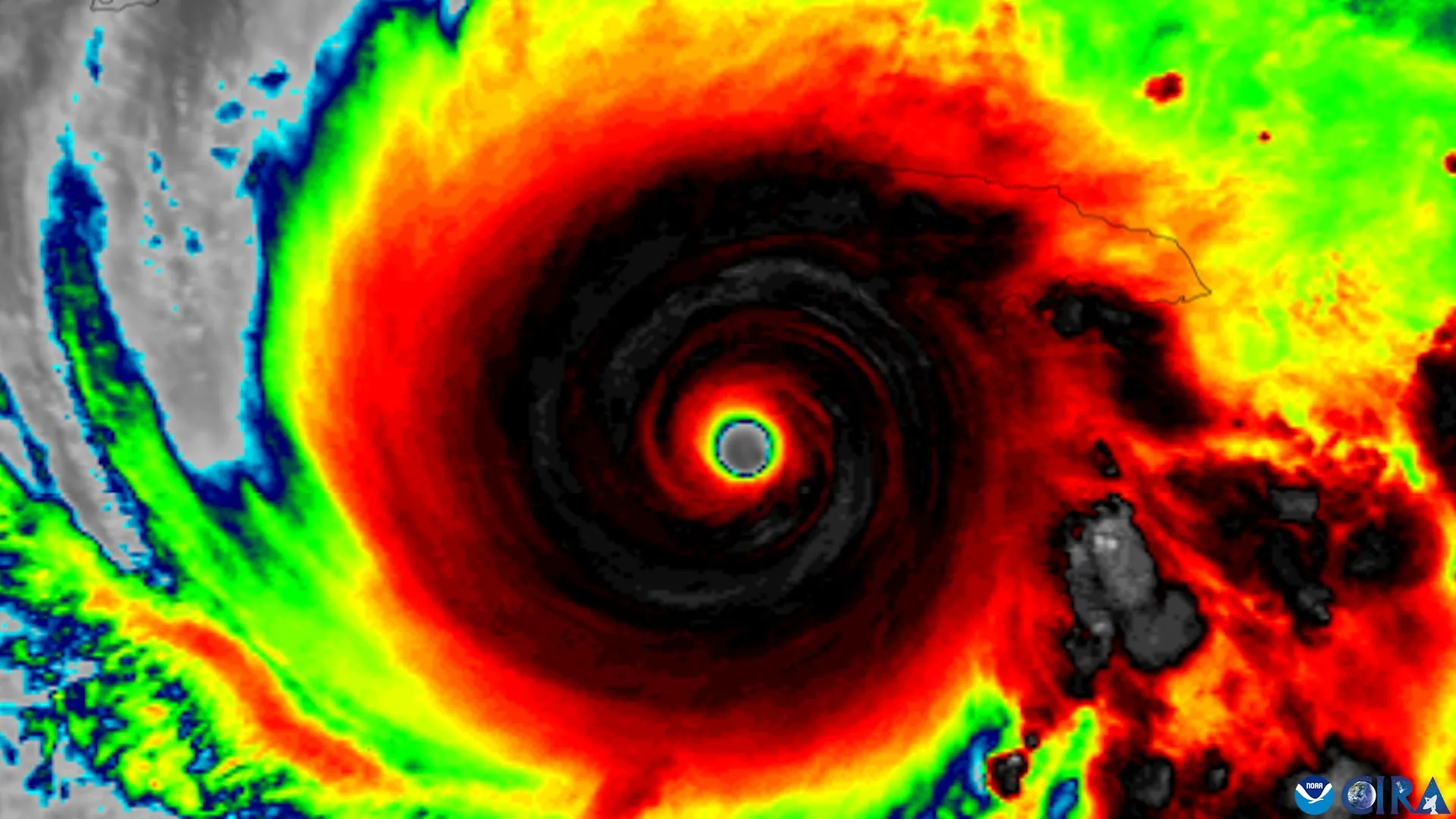
A new study reveals that improved hurricane forecast graphics may help people identify threatened areas without making them more likely to recognize the danger or take protective action.
RedScroll Signal
- Impact
- High
- Category
- Science
- Market relevance
- None
- Why it matters
- Scientific signal separates durable discovery from noise — and often foreshadows policy and product. A new study reveals that improved hurricane forecast graphics may help people identify threatened areas without making them more likely to recognize the danger or take protective action.
Desk copy
RedScroll Briefing
Extractive editorial brief — not a reprint of the original
What happened
A new study reveals that improved hurricane forecast graphics may help people identify threatened areas without making them more likely to recognize the danger or take protective action.
Why it matters
Scientific signal separates durable discovery from noise — and often foreshadows policy and product.
Background
ScienceDaily reported on this under science. RedScroll surfaces the signal with an extractive brief — not a reprint of the original article. Read the source for full reporting.
Timeline
ScienceDaily published: Hurricane warning maps are improving, but a dangerous problem remains
Story is in today’s RedScroll edition. Follow the original source for updates.
More on
Related stories
- Bundle water safeguards into critical-mineral licences
NatureSCIENCE
- Conservation planning should follow animal clocks
NatureSCIENCE
- Europe and the rest of the world must come up with an answer to US science strategy
NatureSCIENCE
- Is it ‘moon-stroke’, or a chill?
NatureSCIENCE
- Nepal’s disaster is an urgent wake-up call
NatureSCIENCE
- Nobel-prizewinning breakthroughs can emerge from neglected organisms
NatureSCIENCE
Source
ScienceDaily
Original reporting by ScienceDaily. RedScroll provides an extractive briefing only.