SCIENCE
NASA reveals bold new plan to return astronauts to the Moon in 2028
ScienceDailyMonday, November 9, 2026 at 9:13 AM
RedScroll Brief
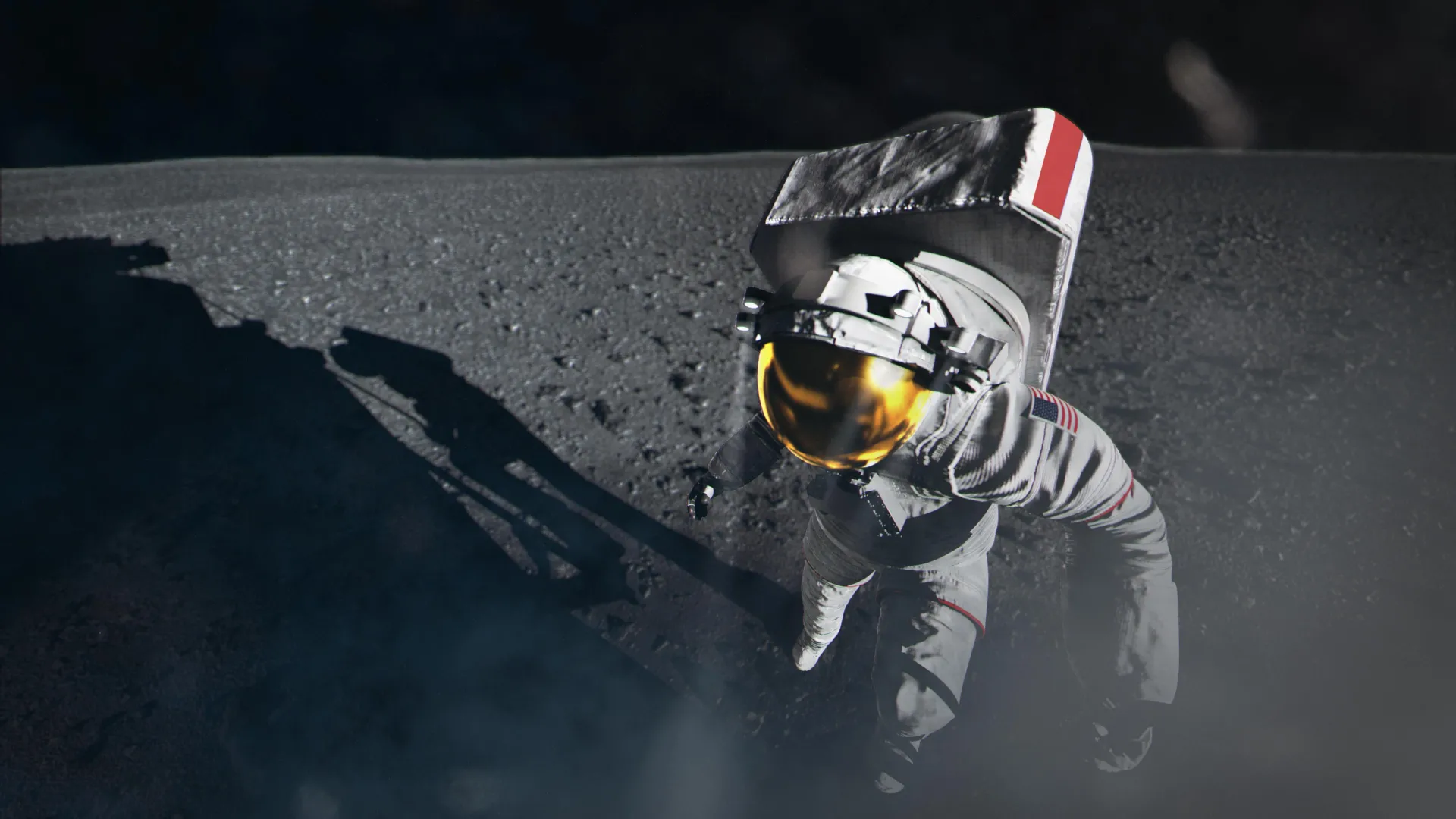
NASA has revealed an accelerated plan to land astronauts on the Moon in 2028, with SpaceX and Blue Origin developing competing lunar landers and a crucial orbital test scheduled for 2027.
RedScroll Signal
- Impact
- High
- Category
- Science
- Market relevance
- None
- Why it matters
- Scientific signal separates durable discovery from noise — and often foreshadows policy and product. NASA has revealed an accelerated plan to land astronauts on the Moon in 2028, with SpaceX and Blue Origin developing competing lunar landers and a crucial orbital test scheduled for 2027.
Desk copy
RedScroll Briefing
Extractive editorial brief — not a reprint of the original
What happened
NASA has revealed an accelerated plan to land astronauts on the Moon in 2028, with SpaceX and Blue Origin developing competing lunar landers and a crucial orbital test scheduled for 2027.
Why it matters
Scientific signal separates durable discovery from noise — and often foreshadows policy and product.
Background
ScienceDaily reported on this under science. RedScroll surfaces the signal with an extractive brief — not a reprint of the original article. Read the source for full reporting.
Timeline
ScienceDaily published: NASA reveals bold new plan to return astronauts to the Moon in 2028
Story is in today’s RedScroll edition. Follow the original source for updates.
More on
Moon
Related stories
- NASA Announces $1 Million to Students for Moon Base Challenge
NASASCIENCE
- NASA Awards Moon Base Transportation, Technology, Science Projects
NASASCIENCE
- NASA Seeks Next Generation of Explorers to Join Astronaut Corps
NASASCIENCE
- Ancient Siberian tomb reveals surprising secrets of cannabis use 2,800 years ago
ScienceDailySCIENCE
- Author Correction: Histone H3 trimethylation at lysine 36 guides m 6 A RNA modification co-transcriptionally
NatureSCIENCE
- Carlo Rovelli says fundamental physics is overrated
NatureSCIENCE
Source
ScienceDaily
Original reporting by ScienceDaily. RedScroll provides an extractive briefing only.