SCIENCE
One of Earth’s most powerful supervolcanoes is refilling with fresh magma
ScienceDailyFriday, October 23, 2026 at 11:23 AM
RedScroll Brief
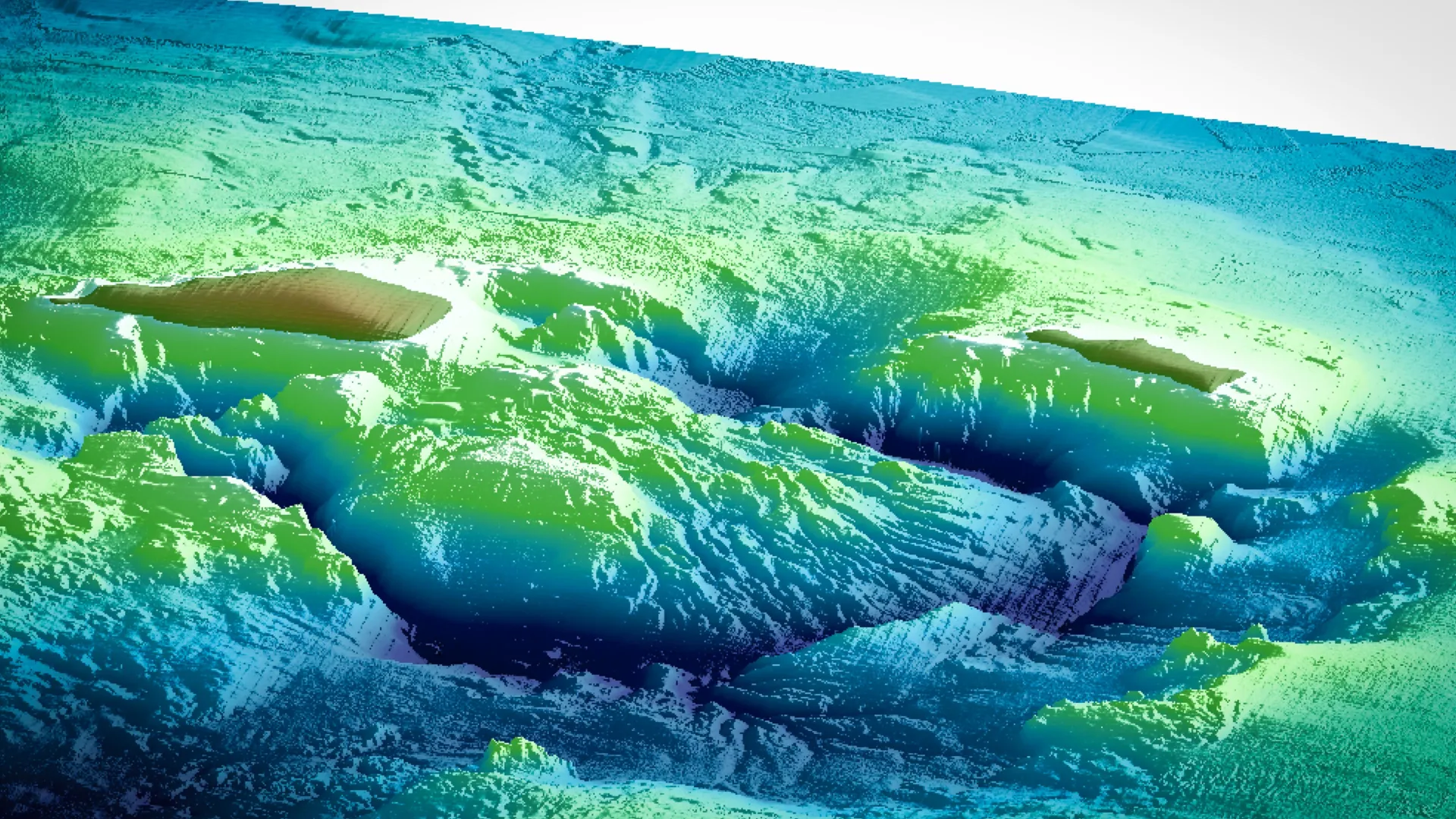
Deep beneath Japan’s Kikai caldera, a massive magma reservoir is refilling 7,300 years after one of the most powerful volcanic eruptions in Earth's recent geological history.
RedScroll Signal
- Impact
- High
- Category
- Science
- Regions
- Japan
- Market relevance
- None
- Why it matters
- Scientific signal separates durable discovery from noise — and often foreshadows policy and product. Deep beneath Japan’s Kikai caldera, a massive magma reservoir is refilling 7,300 years after one of the most powerful volcanic eruptions in Earth's recent geological history.
Desk copy
RedScroll Briefing
Extractive editorial brief — not a reprint of the original
What happened
Deep beneath Japan’s Kikai caldera, a massive magma reservoir is refilling 7,300 years after one of the most powerful volcanic eruptions in Earth's recent geological history.
Why it matters
Scientific signal separates durable discovery from noise — and often foreshadows policy and product.
Background
ScienceDaily reported on this under science. RedScroll surfaces the signal with an extractive brief — not a reprint of the original article. Read the source for full reporting.
Timeline
ScienceDaily published: One of Earth’s most powerful supervolcanoes is refilling with fresh magma
Story is in today’s RedScroll edition. Follow the original source for updates.
More on
Related stories
- First person infected with rare Shamonda virus: what we know
NatureSCIENCE
- NASA’s Hubble Charts Path for Roman with Gravitational Lenses
NASASCIENCE
- Author Correction: DYNLL1 binds to MRE11 to limit DNA end resection in BRCA1-deficient cells
NatureSCIENCE
- Briefing Chat: How physicists successfully trapped the electron's antimatter equivalent
NatureSCIENCE
- Elizabeth Holmes film enthralls — but her legacy haunts science
NatureSCIENCE
- Elusive snow leopards and evasive particles: Books in brief
NatureSCIENCE
Source
ScienceDaily
Original reporting by ScienceDaily. RedScroll provides an extractive briefing only.