SCIENCE
Ozempic and Mounjaro linked to a surprising hair loss risk
ScienceDailyFriday, July 24, 2026 at 3:31 AM
RedScroll Brief
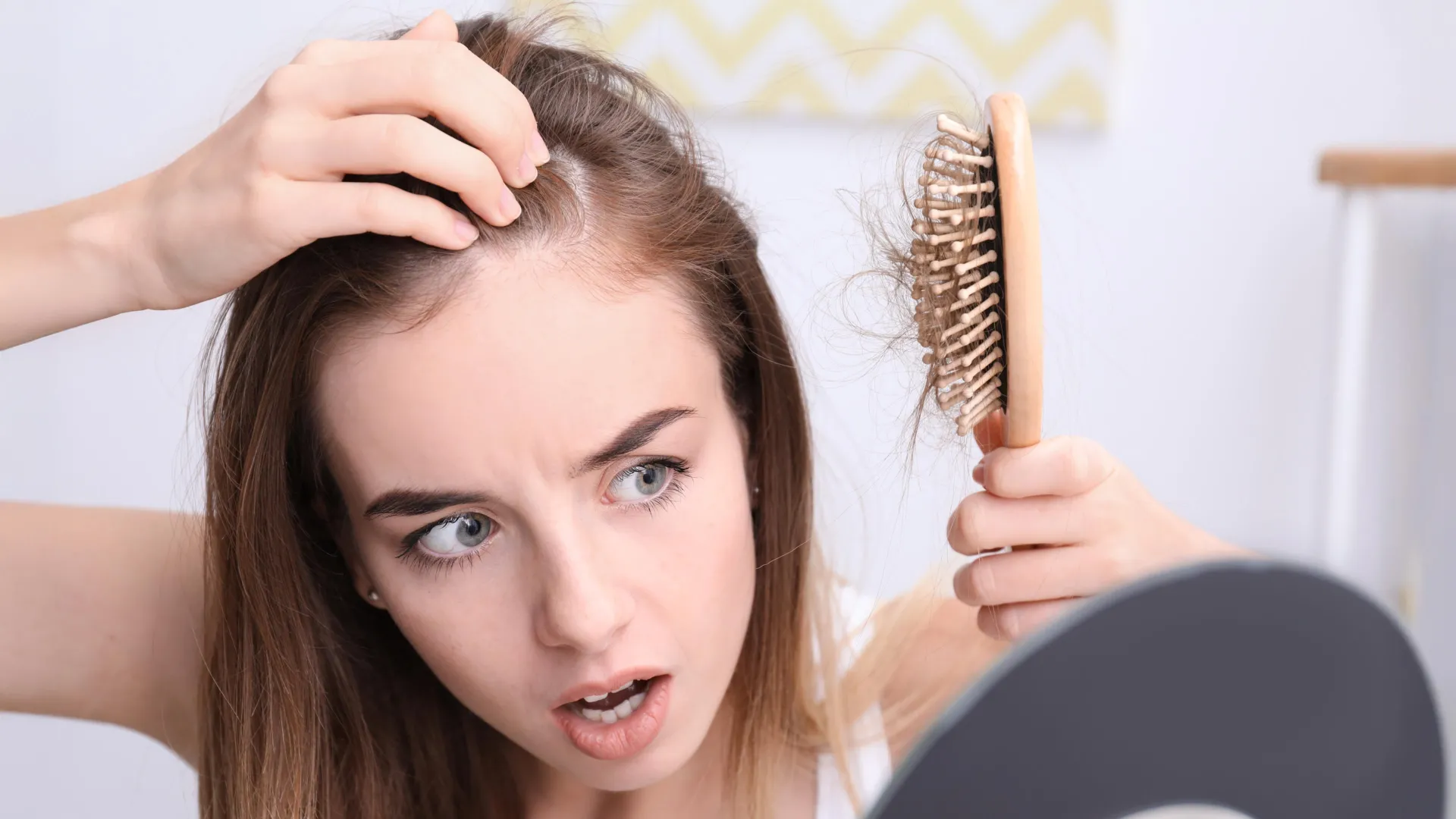
A large study suggests that GLP-1 drugs including Ozempic and Mounjaro may slightly increase the risk of hair loss in people with type 2 diabetes. Compared with two other common classes of diabetes medications, GLP-1 users had a significantly higher rate of alopecia, though the absolute risk was still low. The hair loss was mainly non-scarring, which means it may be reversible.
RedScroll Signal
- Impact
- High
- Category
- Science
- Market relevance
- None
- Why it matters
- Scientific signal separates durable discovery from noise — and often foreshadows policy and product. A large study suggests that GLP-1 drugs including Ozempic and Mounjaro may slightly increase the risk of hair loss in people with type 2 diabetes. Compared with two other common classes of diabetes medications, GLP-1 users had a significantly higher rate of alopecia, though the absolute risk was still low. The hair loss was mainly non-scarring, which means it may be reversible.
Desk copy
RedScroll Briefing
Extractive editorial brief — not a reprint of the original
What happened
A large study suggests that GLP-1 drugs including Ozempic and Mounjaro may slightly increase the risk of hair loss in people with type 2 diabetes. Compared with two other common classes of diabetes medications, GLP-1 users had a significantly higher rate of alopecia, though the absolute risk was still low. The hair loss was mainly non-scarring, which means it may be reversible.
Why it matters
Scientific signal separates durable discovery from noise — and often foreshadows policy and product.
Background
ScienceDaily reported on this under science. RedScroll surfaces the signal with an extractive brief — not a reprint of the original article. Read the source for full reporting.
Timeline
ScienceDaily published: Ozempic and Mounjaro linked to a surprising hair loss risk
Story is in today’s RedScroll edition. Follow the original source for updates.
More on
Related stories
- The billion-dollar problem keeping Ozempic, Wegovy, and Zepbound from patients
ScienceDailySCIENCE
- Nerve activity initiates autoimmune hair loss
NatureSCIENCE
- A 2,700-year-old solar eclipse just revealed something surprising about Earth
ScienceDailySCIENCE
- AI-hallucinated citations should be treated as research misconduct
NatureSCIENCE
- AI watermarking efforts must encourage independent public scrutiny
NatureSCIENCE
- How to keep tabs on the tools in your lab
NatureSCIENCE
Source
ScienceDaily
Original reporting by ScienceDaily. RedScroll provides an extractive briefing only.