SCIENCE
This popular fermented food may help flush nanoplastics from the body
ScienceDailyThursday, September 17, 2026 at 2:42 PM
RedScroll Brief
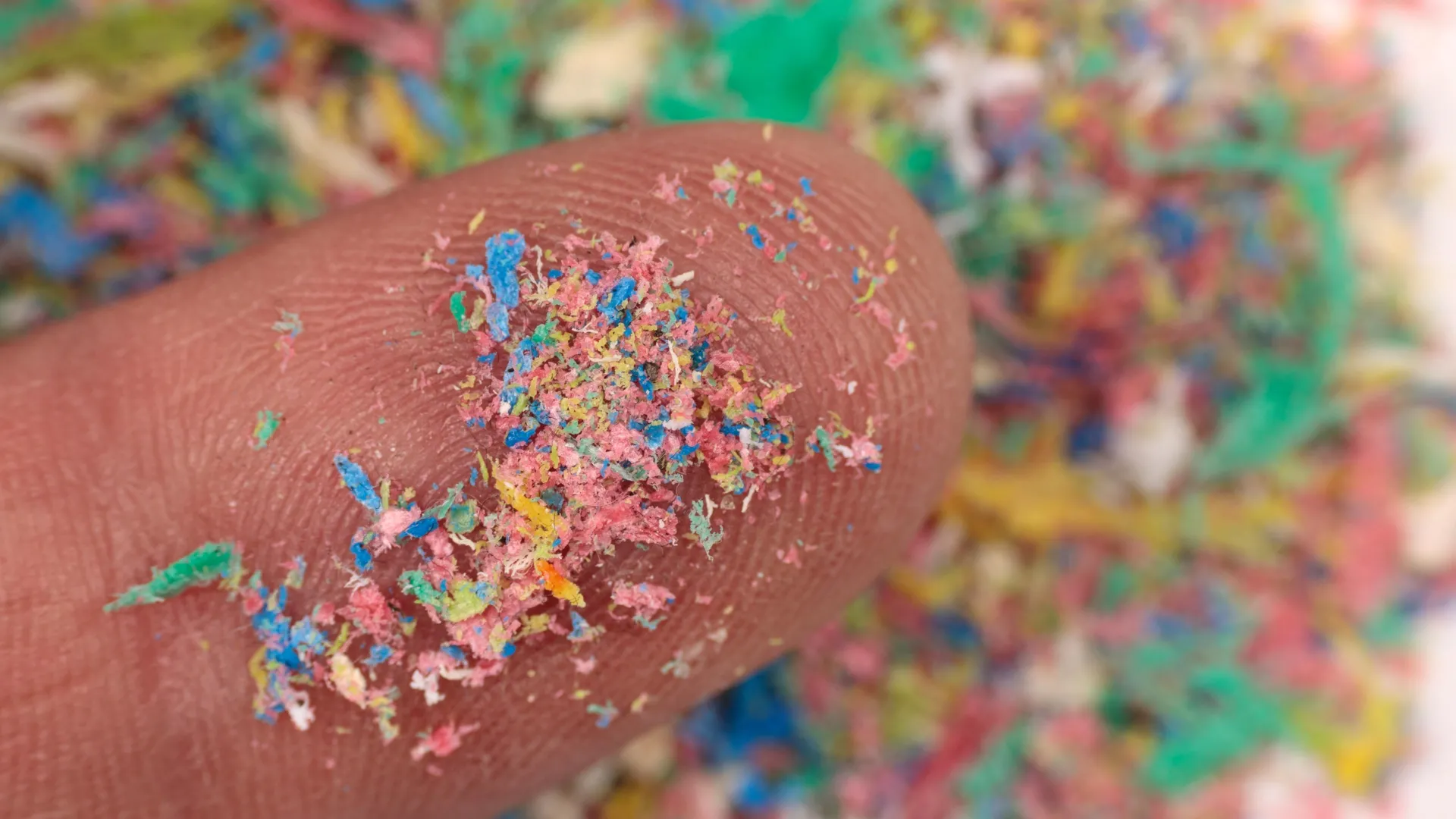
A kimchi-derived bacterium can bind to nanoplastics under gut-like conditions and may help carry them out of the body. In mice, the probiotic more than doubled the amount of nanoplastics detected in feces, pointing to a surprising potential use for microbes from fermented foods.
RedScroll Signal
- Impact
- High
- Category
- Science
- Market relevance
- None
- Why it matters
- Scientific signal separates durable discovery from noise — and often foreshadows policy and product. A kimchi-derived bacterium can bind to nanoplastics under gut-like conditions and may help carry them out of the body. In mice, the probiotic more than doubled the amount of nanoplastics detected in feces, pointing to a surprising potential use for microbes from fermented foods.
Desk copy
RedScroll Briefing
Extractive editorial brief — not a reprint of the original
What happened
A kimchi-derived bacterium can bind to nanoplastics under gut-like conditions and may help carry them out of the body. In mice, the probiotic more than doubled the amount of nanoplastics detected in feces, pointing to a surprising potential use for microbes from fermented foods.
Why it matters
Scientific signal separates durable discovery from noise — and often foreshadows policy and product.
Background
ScienceDaily reported on this under science. RedScroll surfaces the signal with an extractive brief — not a reprint of the original article. Read the source for full reporting.
Timeline
ScienceDaily published: This popular fermented food may help flush nanoplastics from the body
Story is in today’s RedScroll edition. Follow the original source for updates.
More on
Related stories
- Briefing Chat: Meet the snakes that cartwheel away from trouble
NatureSCIENCE
- Medicinal plants, lessons from mushrooms and the power of smell: Books in brief
NatureSCIENCE
- NASA Astronauts to Answer Questions from Florida Students
NASASCIENCE
- Hubble Learns Galactic History From Stars
NASASCIENCE
- A $100 detector can see invisible particles raining down from space
ScienceDailySCIENCE
- Cholera bacterium’s good deed: inspiring a glue with rare properties
NatureSCIENCE
Source
ScienceDaily
Original reporting by ScienceDaily. RedScroll provides an extractive briefing only.