SCIENCE
Scientists burned their own scrolls to unlock a 2,000-year-old mystery
ScienceDailySaturday, September 26, 2026 at 2:04 PM
RedScroll Brief
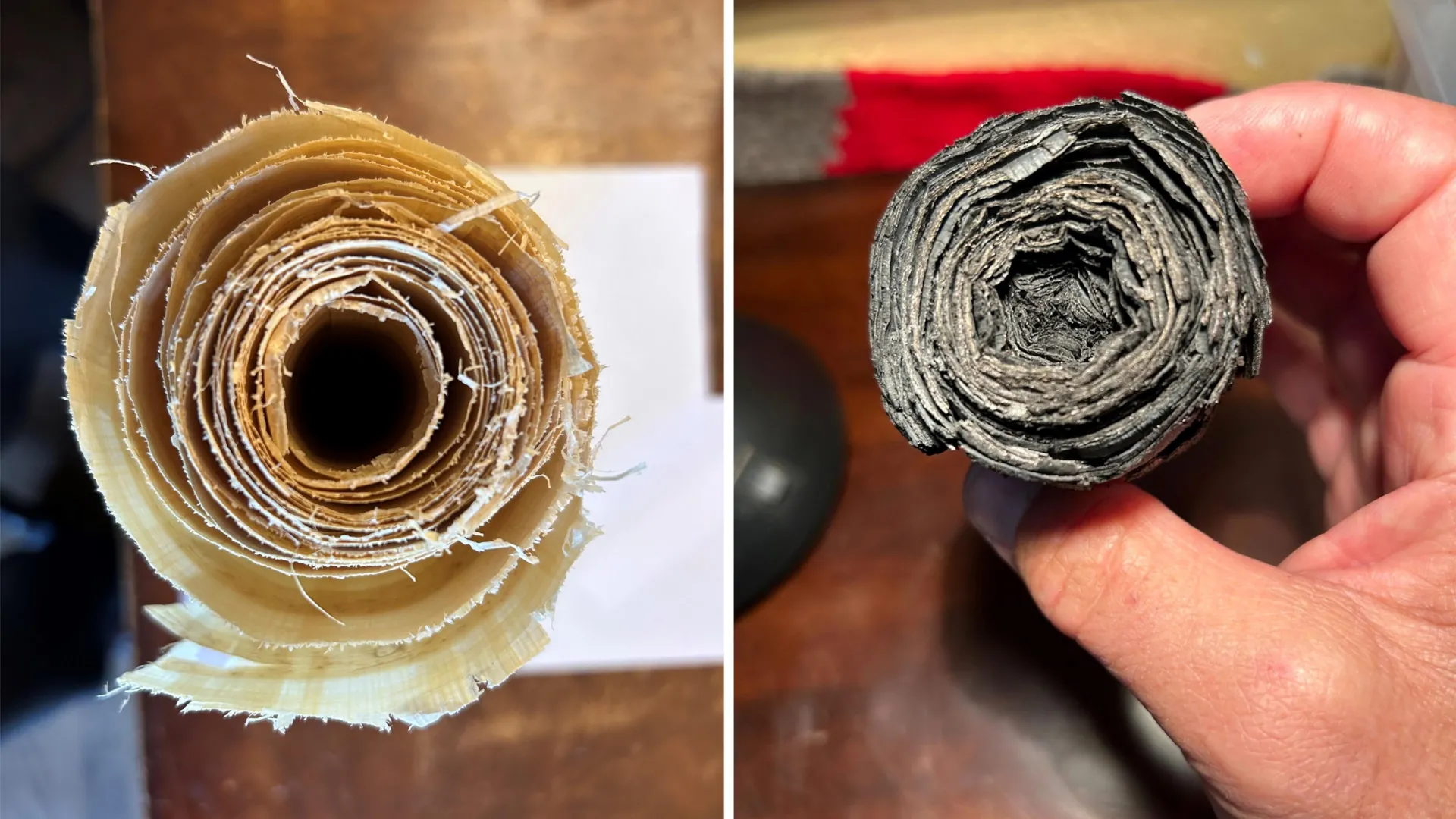
Scientists discovered that tiny amounts of lead in ancient ink can make writing inside burned papyrus scrolls stand out dramatically in X-ray scans. The technique could help unlock lost Greek and Roman texts preserved by the eruption of Mount Vesuvius nearly 2,000 years ago.
RedScroll Signal
- Impact
- High
- Category
- Science
- Market relevance
- None
- Why it matters
- Scientific signal separates durable discovery from noise — and often foreshadows policy and product. Scientists discovered that tiny amounts of lead in ancient ink can make writing inside burned papyrus scrolls stand out dramatically in X-ray scans. The technique could help unlock lost Greek and Roman texts preserved by the eruption of Mount Vesuvius nearly 2,000 years ago.
Desk copy
RedScroll Briefing
Extractive editorial brief — not a reprint of the original
What happened
Scientists discovered that tiny amounts of lead in ancient ink can make writing inside burned papyrus scrolls stand out dramatically in X-ray scans. The technique could help unlock lost Greek and Roman texts preserved by the eruption of Mount Vesuvius nearly 2,000 years ago.
Why it matters
Scientific signal separates durable discovery from noise — and often foreshadows policy and product.
Background
ScienceDaily reported on this under science. RedScroll surfaces the signal with an extractive brief — not a reprint of the original article. Read the source for full reporting.
Timeline
ScienceDaily published: Scientists burned their own scrolls to unlock a 2,000-year-old mystery
Story is in today’s RedScroll edition. Follow the original source for updates.
More on
Scientists
Related stories
- Scientists may have misread a 2-billion-year-old clue about Earth
ScienceDailySCIENCE
- Scientists gave worms magnetic bacteria. They lived 43% longer
ScienceDailySCIENCE
- Scientists discover an “impossible” cellular survival pathway that could help fight cancer
ScienceDailySCIENCE
- Briefing Chat: Why scientists made papyrus scrolls, then burnt them
NatureSCIENCE
- This “rare” autism-linked genetic disorder may be far more common than scientists thought
ScienceDailySCIENCE
- AI bots are flooding researchers with requests for money and time
NatureSCIENCE
Source
ScienceDaily
Original reporting by ScienceDaily. RedScroll provides an extractive briefing only.