SCIENCE
Scientists link a strange sugar in red meat to a 63% higher diabetes risk
ScienceDailySunday, October 18, 2026 at 1:09 PM
RedScroll Brief
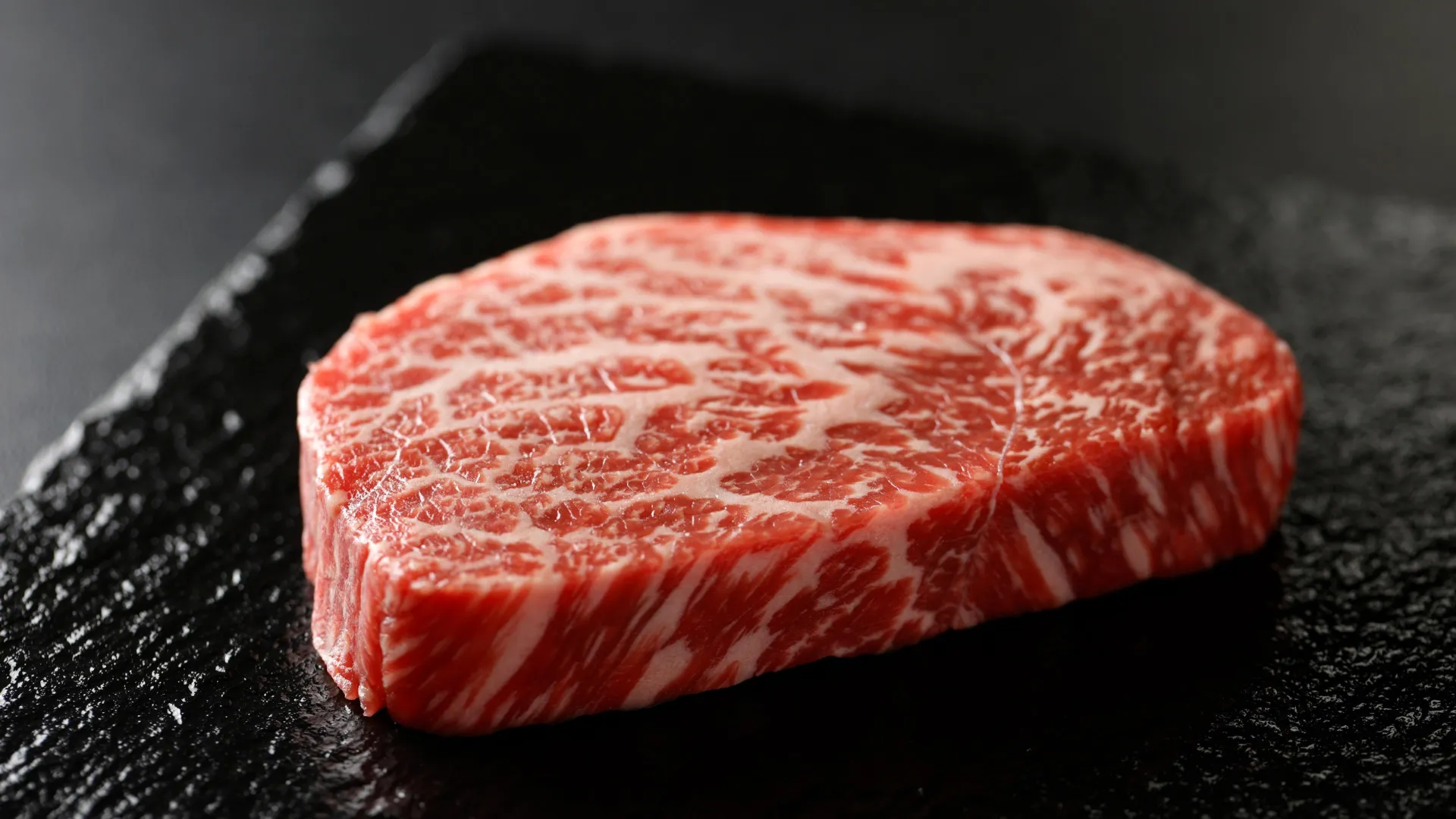
A study of nearly 90,000 adults found that people consuming the most of a little-known sugar found in red meat had a 63% higher risk of developing type 2 diabetes.
RedScroll Signal
- Impact
- High
- Category
- Science
- Market relevance
- None
- Why it matters
- Scientific signal separates durable discovery from noise — and often foreshadows policy and product. A study of nearly 90,000 adults found that people consuming the most of a little-known sugar found in red meat had a 63% higher risk of developing type 2 diabetes.
Desk copy
RedScroll Briefing
Extractive editorial brief — not a reprint of the original
What happened
A study of nearly 90,000 adults found that people consuming the most of a little-known sugar found in red meat had a 63% higher risk of developing type 2 diabetes.
Why it matters
Scientific signal separates durable discovery from noise — and often foreshadows policy and product.
Background
ScienceDaily reported on this under science. RedScroll surfaces the signal with an extractive brief — not a reprint of the original article. Read the source for full reporting.
Timeline
ScienceDaily published: Scientists link a strange sugar in red meat to a 63% higher diabetes risk
Story is in today’s RedScroll edition. Follow the original source for updates.
More on
Scientists
Related stories
- Scientists finally uncover why statins can cause muscle pain
ScienceDailySCIENCE
- Scientists discover a bizarre Jurassic “squid” unlike anything ever seen
ScienceDailySCIENCE
- Scientists discover why some people still can’t taste food after COVID-19
ScienceDailySCIENCE
- Scientists win 2026 Nobel Prize for controlling brain cells with light
ScienceDailySCIENCE
- Scientists discover a natural compound that could protect the brain from too much salt
ScienceDailySCIENCE
- Scientists discover a surprising twist in Japan's 7,300-year-old volcanic apocalypse
ScienceDailySCIENCE
Source
ScienceDaily
Original reporting by ScienceDaily. RedScroll provides an extractive briefing only.